Valve Cover Gasket Replacement
How are valve cover gasket issues diagnosed?
It is easiest to spot oil leaks when they are new or fresh. The technician may clean the fluid around the leak and direct you to come back later to confirm where the leak is coming from. With more progressed oil leaks, the technician will also add a dye to the oil. After the vehicle has been driven with the dye, a UV light will be used to pinpoint the leakage and recommend repair.
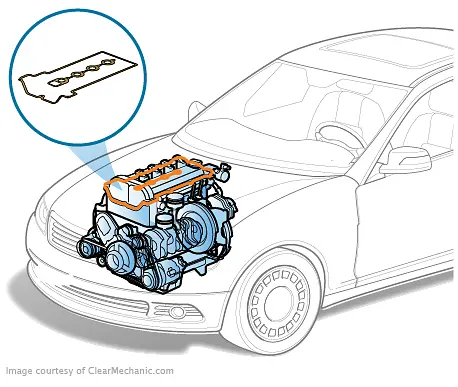
How is a valve cover gasket replaced?
The technician will remove the valve cover, remove the old gasket, and clean all gasket surfaces before installing the new valve cover gasket. On some engines, removal of the intake manifold, or other major parts may be required in order to access the fasteners on the cover. After completion, the area will be checked for leaks.
RepairPal recommendations for valve cover gasket issues
A high-quality gasket should be used. Often, the OEM gasket will have the best seal. Some manufacturers suggest adding special silicone to specific areas to ensure a proper seal. Where applicable, a valve clearance inspection and adjustment should be performed.
Can I replace the valve cover gasket myself?
The vast majority of valve cover gaskets only require simple tools to replace. But the procedures vary wildly from car to car. Prior to ordering parts or attempting this repair yourself, look online for guides on how to replace the part in your specific vehicle.
Some cars will require significant disassembly of the top end of the engine in order to remove the valve cover. In these cases, it's often best to let a professional mechanic handle the job.