Get a fair price estimate on Starter Replacement in your area - honored at RepairPal Certified locations.
Need a repair? Trust our RepairPal Certified network.
With thousands of repair shops to choose from, how do you find one that is honest and fair? We've done the research for you.
Oops! We got lost!
Your location cannot be detected. Please enter your zipcode for nearby shops.
Starter Replacement
How are starter issues diagnosed?
A mechanic will connect a vehicle that won't start to a starting and charging system test machine. The machine will display results and indicate the possibility of starter failure, but it may also require the technician to do visual inspections while testing is in progress. If the starter is found to be at fault, it will be removed, bench tested and replaced.
How is a starter replaced?
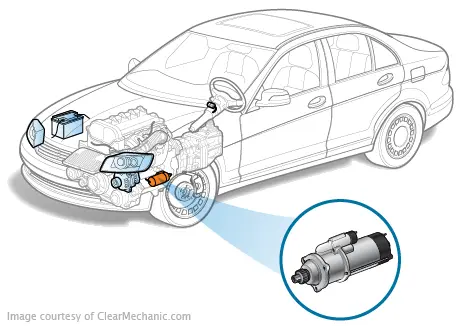
The battery is disconnected to prevent electrical shock or damage to electronic components, and then the starter motor is disconnected from all its connectors. It's then removed, and the new one is installed.
During installation, the electrical connections must be placed on the correct terminals, also known as “posts”, and the replacement starter should have the same number of posts as the original.
RepairPal recommendations for starter issues
We recommend using a high-quality replacement starter motor and solenoid. Replacement with an OEM starter can reduce the risk of another replacement later on.
Your car, services, and appointments in one place.
What to look out for when dealing with starter issues
If your car won't start, it's not always the starter's fault, of course. If the starter won't turn the engine, it could be caused by a faulty ignition switch, blown fuse or bad starter solenoid. The starting and charging system will need complete diagnosis.
When installing a new starter, its electrical connectors can accidentally be installed in the wrong position. This will cause further problems once the battery is reconnected.
Many starters for the same car brand will fit many of its models mechanically, but the solenoid may not be the same design. The appropriate part number must be used when choosing the new starter, or the starter motor may fail to function properly.
Can I replace the starter myself?
On most models, replacing a starter is a great DIY project. Still, there is a risk of electrical shock and other electrical component failure if the battery is not disconnected first.
On many older vehicles, the starter motor is installed using shims to make sure everything is aligned correctly. If this is the case with your car, have a professional mechanic do the repair — any mistakes could cause damage to the engine's flywheel or other parts.
Starter Replacement Cost Estimates
The average cost for a Starter Replacement is between $542 and $766 but can vary from car to car.