Wheel Speed Sensor Replacement
What is an ABS wheel speed sensor?
The wheel speed sensor is the primary data source for the ABS system. In order for the anti-lock brake (ABS) control module to react to driving conditions, wheel speed sensors (WSS) are placed on all four wheels, and constantly transmit the speed of each wheel to the ABS control module. They are mounted in the hub, close to the brake calipers, where they can monitor how fast the axle is turning.
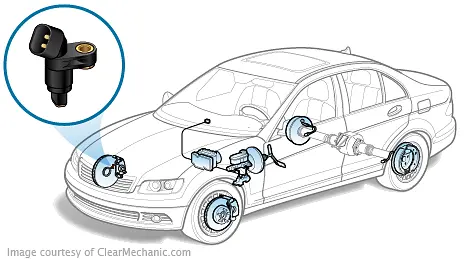
How does the ABS wheel speed sensor work?
They are mounted in the hub, close to the brake calipers, where they can monitor how fast the axles are turning. All four WSS work in unison by providing four independent signals to the ABS control module, which allows the control module to correct for slipping if one or more wheels stop rotating. This action is responsible for highly reduced braking distances in slippery conditions.
A failing ABS wheel speed sensor can turn on the ABS light and disable the Traction and Stability Control Systems (if equipped). In some cases, the speedometer will stop working and the Check Engine Light will come on.
A malfunctioning ABS wheel speed sensor can cause abnormal braking behavior when braking at low speeds. A dirty sensor can have the same effect and can be "fixed" by cleaning the sensor and the sensor wheel.
What are the symptoms related to a bad ABS wheel speed sensor?
In the event that a wheel speed sensor fails, the ABS, traction control system (TCS) and manufacturer specific stability control system lights will illuminate, informing the driver that the systems are disabled. The vehicle will be more prone to tire slip, and normal driving patterns may need to be adjusted to correct for the loss of computer control. On older vehicle's, the speedometer can be affected, causing illumination of the check engine light as well.
Can I drive with a ABS wheel speed sensor problem?
The vehicle can be driven with these warning lights on, since failure of the ABS or TCS does not disable the vehicle, but safety is a concern as drivers become accustomed to the road manners of their vehicle's. If hard braking that is normally controlled by the ABS control module is necessary, a collision may occur. We do recommend towing the vehicle to a repair facility if braking feels unusual under light or normal driving conditions.
How often do ABS wheel speed sensors need to be replaced?
Wheel speed sensors are notorious for failure, since they are housed on the wheel hub, near the road surface. This means the sensor and electrical connections are subject to dust, debris, precipitation, salt, and road hazards. Aside from that, brake dust and road grime are known to accumulate around the magnetic sensor, causing interference, and preventing proper readings. If the ABS and TCS lights are active, there is a very good chance you have a faulty wheel sensor, without regard to mileage.
How are ABS wheel speed sensor issues diagnosed?
Anti-lock braking systems are complex, and are typically diagnosed through professional computer scanning equipment, or manufacturer specific software. The technician will communicate with the ABS control module via computer, and view real-time data to determine what fault has been detected, and how the system is behaving. Once the technician identifies a suspected wheel speed sensor failure, physical inspection and probing will take place to ensure an accurate diagnosis. This includes inspecting the tip of the sensor for dirt and debris.
Many conditions—including corrosion, worn bearings, or other problems in ABS system—can set a wheel speed sensor trouble code. Any problem with the ABS system needs to be diagnosed before wheel speed sensors are replaced, as a new sensor may not solve the problem.
ABS wheel speed sensors can be easily damaged during other repairs that call for the wheels to be removed (especially brake work). If you have had recent repair work performed, return the vehicle to the shop to inspect for damage.