Your car, services, and appointments in one place.
2013 BMW 550i xDrive Radiator Hose Replacement Cost Estimate
Estimates last updated January 28, 2026
2013 BMW 550i xDrive Radiator Hose Replacement Cost
The average cost for a 2013 BMW 550i xDrive Radiator Hose Replacement is between $577 and $640.
Labor costs are estimated between $134 and $197 while parts are typically priced around $443.
This range does not include taxes and fees, and does not factor in your unique location. Related repairs may also be needed.
For a more accurate estimate based on your location, use our Fair Price Estimator below.
More RepairPal Resources
What will this cost in Columbus, OH
Radiator Hose Replacement
What is a radiator hose?
Radiator hoses are typically made of rubber, and help carry the engine's coolant to and from the radiator.
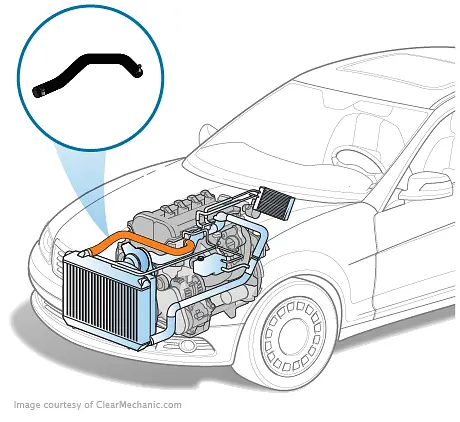
How does the radiator hose work?
There are two radiator hoses. The upper radiator hose carries hot coolant from the thermostat housing on the engine to the radiator inlet. After the coolant passes through the radiator and sheds excess heat, the coolant exits the bottom of the radiator into the lower radiator hose, bringing the cooled fluid back to the engine.
Coolant hoses can be damaged by oil leaks. The issue should be addressed in order to avoid damaging the new hoses.
What are the symptoms related to a bad radiator hose?
A coolant leak may be noted from the hoses. Coolant hoses can be damaged by oil leaks, or age. This will lead to swelling or cracking, it is suggested to replace the hoses before they begin leaking to avoid potential overheating.
Can I drive with a radiator hose problem?
The vehicle should not be driven with leaking or damaged radiator hoses. If a hose should fail while driving, the engine would overheat in short order, leading to additional repair expense.
Get this fixed by a RepairPal Certified Shop
How often do radiator hoses need to be replaced?
Replacement intervals vary greatly by vehicle and driving conditions. The radiator hoses do not wear like a tire or a ball joint, but eventually the rubber will degrade to the point of leakage. If not from age, the hoses will often fail due to oil contamination from an oil leak. Oil leaks cause the rubber to swell and weaken, increasing the risk of failure.
Need a repair? Trust our RepairPal Certified network.
With thousands of repair shops to choose from, how do you find one that is honest and fair? We've done the research for you.
How are radiator hose issues diagnosed?
The hoses can be visually inspected for leakage, cracking, or swelling. A pressure test may also be performed to ensure the system is sealed. The technician will also physically check the hoses for feel, an overly soft hose is often contaminated with oil and more likely to fail.
How is a radiator hose replaced?
The technician will drain the cooling system as necessary and remove the hose. An inspection of the radiator neck or thermostat housing it is attached to will be performed. The new hose will be installed with new hose clamps before the system is refilled with fresh coolant, bled of any air, and checked for leaks.
The entire cooling system should be inspected when replacing coolant hoses. If any other hoses or cooling system parts show signs of wear, they should be replaced at this time.
We recommend using molded coolant hoses rather than "universal" hoses. Universal hoses can be deformed by pressure and heat and are prone to failure earlier than hoses designed to fit your vehicle.