Headlight Bulb Replacement
Jump to:Cost estimates by vehicle
How are headlamp bulb issues diagnosed?
A technician can check a headlight bulb that does not appear to be working by performing a few tests. First, a technician will check to make sure that the connector that leads from the wiring harness to the headlight bulb is clean and in contact. Sometimes a faulty connection to the headlight bulb can cause the lamp to fail. Next, a technician will check to make sure that the bulb is getting power by probing the connector with a multimeter and checking for proper voltage. The bulb itself can be checked by holding it up to the light to see if the internal filament is broken, but sometimes it is difficult to tell if it is intact. A better way to check the bulb is to test for continuity with a multimeter. Finally, a technician can test a bulb that appears to be burned out by plugging it in place of the other headlight that is working to see if the bulb is inoperative.
How is a headlamp bulb replaced?
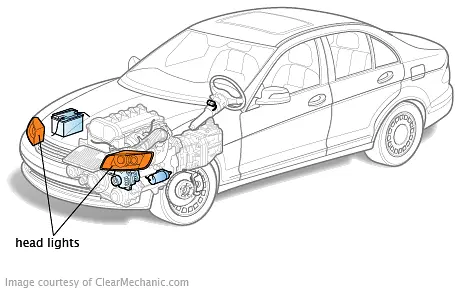
To replace the headlight bulb, a technician will need to gain access to the back of the headlamp assembly. Many vehicles require that a cover be removed on the back of the assembly to access the headlight bulb. The technician then unplugs the wiring harness connector from the bulb, releases the bulb retainer, and removes the burned out bulb. It is important that the new headlight bulb not come into contact with the technician's bare hand during installation, otherwise oils from the skin can create hot spots on the bulb during operation that will significantly reduce the life of the bulb. On some vehicles, it is necessary for the technician to remove the headlamp assembly completely in order to access the headlight bulb.
RepairPal Recommendations for headlamp bulb issues
RepairPal recommends always using a replacement headlight bulb of the same style and wattage as the original bulb. Bulbs outside the range recommended by the vehicle manufacturer may cause a bulb warning light to come on and even damage wiring or the headlamp unit.
What to look out for when dealing with headlamp bulb issues
Replacement of a headlight bulb on some vehicles may require removal of additional accessories in the engine compartment or even removal of the headlamp assembly itself. On these vehicles, the labor time and cost will be higher. High intensity discharge (HID) or "Xenon" bulbs can be very expensive and are often only available from the dealership parts department.
Can I replace the headlamp bulb myself?
Replacement of a headlight bulb on most vehicles is a relatively simple beginner to intermediate DIY repair requiring few, if any, tools. Some vehicles require more experience if additional accessories - or the headlamp assembly - need to be removed for access. It is important to remember that a headlight bulb is hot when in use. Care should be exercised when handling a bulb that has been recently used. Also, a headlight bulb should not be touched with a bare hand or come in contact with oil, grease, or other contaminants which might leave residue on the bulb and significantly decrease its useful life.