Problem Reports
Report A ProblemProblem with your car? See what our experts say or submit your own.
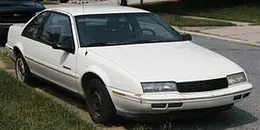
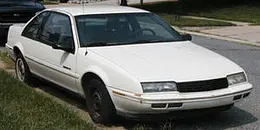
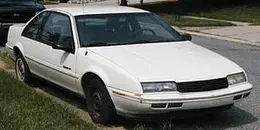
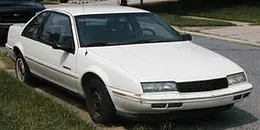
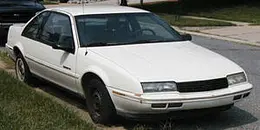
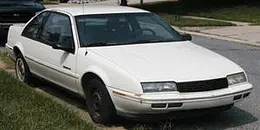
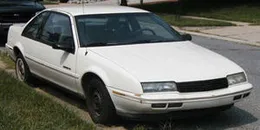
1995 Chevrolet Beretta
Coolant Leak & Engine Overheating
A coolant leak may develop from the water pump. This can result in an engine overheating condition. A leaking water pump will require replacement.
Engine Vacuum Leak Due to Cracked PCV Vacuum Hose
The PCV vacuum hose under the upper intake plenum may become brittle and crack causing an engine vacuum leak.
High Pressure Power Steering Hose Can Leak Fluid
The high pressure power steering hose will commonly leak fluid; it should be replaced.
Front Brake Rotor Wear Can Cause Pulsations
Front brake rotors can wear causing a pulsation felt in the brake pedal. Our technicians often recommend replacement of the front rotors and brake pads as the best option to correct this condition.
Steering rack can fail or leak
The steering rack may develop a fluid leak or fail causing the steering to become hard to turn.
The Engine May Stall After Extended Freeway Driving
The torque converter clutch can stick "on" after extended freeway driving causing the engine to stall when coming to a stop. Our technicians tell us when this occurs, the engine usually will restart and stall when put into gear. After allowing about twenty minutes for the engine and transmission to cool down, the engine will start and the transmission will operate normally. Replacing the torque converter clutch solenoid, transmission filter, and fluid will generally correct this issue.
Fuel injectors can short-circuit
One or more of the fuel injectors may short out electrically causing a rough idle condition.
Stalling or Low Engine Idle Speed Due to Dirty Throttle Body
A dirty throttle body may cause a lower than normal engine idle resulting in a stalling condition. A stalling condition may also result if an idle learn procedure is not performed if the battery goes dead or is disconnected.
Car Won't Start Due to Ignition Module/Crankshaft Position Sensor Failure
The ignition module or crankshaft position sensor may fail causing the engine to die and not restart. Diagnoses will be necessary to determine if the module or crank sensor is causing the no start condition.
Transmission Fluid Leak From Cooler Line
An automatic transmission fluid leak may develop from the rubber section of a transmission cooler line. In some cases the rubber section of hose can be replaced. In others, the complete cooler line must be replaced to correct this type of leak.