Problem Reports
Report A ProblemProblem with your car? See what our experts say or submit your own.
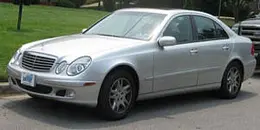
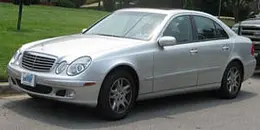
1998 Mercedes-Benz E320
One or More Instrument Cluster Display May Fail
Instrument cluster displays tend to fail, especially the clock and gear indicators. Our technicians tell us the instrument cluster will require replacement to correct this issue.
"Crank no Start" Due to Failed Crankshaft Position Sensor
The crankshaft position sensor may fail. Symptoms of this are: The engine will crank—but not start—especially when the engine is warm. The car may start again if it is left to cool off, but it may run roughly or have poor performance.
High Usage Vehicles May Experience Ignition Lock and Tumbler Failures
Due to wear, high usage vehicles can experience ignition lock and tumbler failures. The ignition lock cylinder will generally require replacement to correct this concern.
Brake Light Switch Failure May Cause ESP/BAS Warning Lights
The ESP and BAS warning lights may illuminate due to a failed brake light switch. Replacement of the failed switch should correct this concern.
Squeak in Steering Column Due to Rubber Boot or Seal
A squeak from the steering column is often related to a rubber boot in the column or a seal in the power steering rack.
The Differential May Develop Leaks From the Seals or Cover
Leaks may develop from the differential cover and/or seals on high mileage or older vehicles. Our technicians recommend a complete reseal of the differential unit if these leaks are addressed.
Squeaking/Worn Brake Pads May Require Rotor Replacement Also
The brakes may begin to squeak at about the 50 percent wear point. This is due to the size and material used for the brake pads and rotors. The brake rotor surfaces become uneven, causing a lip to form at the outer edge. This will generally require replacement of the rotors when the pads are worn (pad life varies depending on driving style and terrain).
Erratic HVAC Blower Motor Operation
A malfunctioning HVAC blower motor regulator can cause the blower motor to operate below the requested speed or not at all. Updated regulators are available; the blower motor and cover need to be replaced at the same time to upgrade the system.
Brake Light Not Working Due to Melted Bulb Holder Housing
Brake lamp housings can melt, resulting in a loss of contact for the brake light bulb holder. If this happens, the brake light will not work. Replacement of the damaged lamp housing should correct this problem.
Shifter Lever Bushings May Break Causing Loose Feel/Noise
The bushings for the shifter lever wear out to the point where they break and fall out. This causes excessive movement (loose feel) in the shifter lever and a clanging-type noise when changing gears.
ABS Modulator Failure Due to Dirty Brake Fluid
As brake fluid becomes dirty over time, it can cause a failure of the anti-lock brake system (ABS) modulator assembly. Our technicians recommend a complete brake system flush every two years to help prevent this issue.
Check Engine Light and Engine Misfire
Failed spark plug wires and/or ignition coils can cause intermittent misfires (rough running); the Check Engine Light may also illuminate. Diagnoses of the ignition system will be necessary to determine which components are at fault.
Spilling Sticky Liquids Around Cup Holder May Cause Lid to Stick/Break
Cup holders break easily, especially if sticky liquids are spilled into the cup holder mechanism.
Transmission Oil Seals May Leak on High Mileage Vehicles
High mileage vehicles may develop a leak from one or more of the transmission oil seals.
Third (high) Brake Light Housings May Melt
The third (high) brake light housing may melt, resulting in a loss of electrical contact for the light, which stops working. A complete housing (contacts and lens) is needed to repair the problem. On certain vehicles, if this happens, the anti-lock brake system will not function. The brakes will work in normal mode, but not provide the ABS control.
Oil Leaking From Oil Level Sensor
An engine oil leak may develop from the oil level sensor. Replacement of the leaking sensor will commonly correct this concern.
Cracked Driveshaft Flex Discs May Cause Driveshaft Movement/Vibration
A vibration felt through the center floor of the vehicle can be caused by cracked and/or shredded driveshaft flex discs, resulting in excessive driveshaft movement. If not repaired, damage to the driveshaft center support bearing, transmission, or differential can occur.
PSE system/voice control/Tele Aid module failure may cause lack of audio/dead battery
PSE system, voice control module, or Tele Aid module failure can cause a lack of audio. These same modules can also cause dead battery conditions when they fail to "time out." Many electronic control modules are active even when the engine is off. If these modules stay active, they will drain the battery, which is why they have a timer built into the modules. The timer shuts down the modules after a preset amount of time (timing out). If a module does not time out, it will stay active and drain the battery.
Poor AC performance Due to Evaporator Temperature Sensor Failure
The evaporator temperature sensor can fail, causing the AC compressor not to cycle. If the AC compressor does not turn on, the AC system will not blow cold air. If the compressor is stuck on, the air will be very cold at first, before warming up.
Engine Oil Leak From PCV Vent Housing and/or Engine Inspection Plate
An engine Oil leak may develop from the PCV vent housing on the valve cover and/or the inspection plate on the front of the engine.
Switch For Vanity Mirror Light Above Sun Visor May Fail
The switch for the vanity mirror light above the sun visor fail; there is an updated switch for some models. On the remaining models, due to a redesign, the mirror "cassette" will need replacement.
Harmonic Balancer May Fail and Damage Timing Cover
The rubber bond in the harmonic balancer can decay, which causes the balancer to move and work its way toward the timing cover. If the balancer comes into contact with the timing cover while the engine is running, it will fracture and damage the cover and potentially other surrounding parts. The harmonic balancer should be inspected at every service.
Premature Tire Wear Due to Cracked Lower Control Arm Bushings
Irregular and premature tire wear can be caused by the lower control arm bushings cracking, resulting excessive movement at the control arm pivot point. Ball joints can also wear out prematurely, causing similar tire wear symptoms. I some cases it may be necessary to replace the lower control arm, including bushings & ball joint to correct this concern.
Rattle From Beneath Vehicle
When the engine is running, but the vehicle is not moving, a rattle heard from beneath the vehicle could indicate that one of the exhaust catalytic converters has failed. The substrate (the internal part of the catalyst that reduces emissions) can loosen and bounce around inside the canister section of the converter—the defective unit will need to be replaced. If this problem is ignored, the substrate can break down and reduce to a size that plugs the outlet pipe, which will cause a sudden loss in power.
Replace air filter when replacing failed mass air flow sensor
The mass air flow sensor tends to fail causing poor fuel economy and Check Engine light illumination. The engine air filter should be replaced when the mass air flow sensor is replaced; a dirty filter can allow debris to damage the new sensor.