Get the latest advice about your car

Get Started
Advice » Problem Reports » Most Reported

Problem Reports

Report A Problem

Problem with your car? See what our experts say or submit your own.

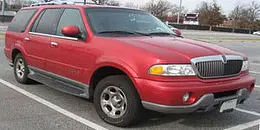
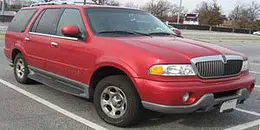
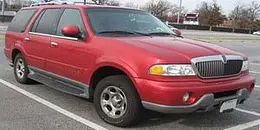
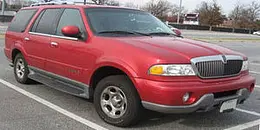
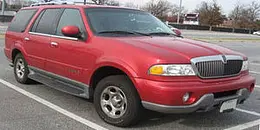
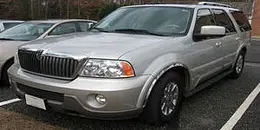
2000 Lincoln Navigator

Corrosion on Battery Cable Ends

Verified for the Lincoln Navigator

Check the battery cable ends frequently for corrosion. Corrosion can easily migrate under the cable insulation and cause numerous electrical faults and drivability issues.

18 Reports

Overheating Due to Damaged Water Pump

Verified for the Lincoln Navigator

Erratic engine coolant temperature or intermittent overheating can be caused by corrosion inside the water pump. The impeller may spin on the water pump shaft or the impeller may corrode. Either condition reduces coolant circulation resulting in engine overheating.


16 Reports

Rough Idle and/or Engine Stalling Condition

Verified for the Lincoln Navigator

In high dust areas, problems with the EGR system are common. The filter for the EGR solenoid may plug and cause the EGR to activate when it should not; this can cause the engine to stall. The dirty filter should be replaced to correct this concern.

15 Reports

Turn Off Air Suspension System Before Jacking/Lifting Vehicle

Verified for the Lincoln Navigator

Prior to jacking or lifting a vehicle with air suspension, you must turn off the suspension switch. The switch is generally located in the trunk or on the right side of the passenger foot well.

14 Reports

Exhaust Leak in Fornt of Catalytic Converter

Verified for the Lincoln Navigator

An exhaust leak may develop in front of the catalytic converter. This type of leak should be corrected as soon a possible to avoid damaging the catalytic converter.

13 Reports

Replace Spark Plug Boots When Replacing Spark Plugs

Verified for the Lincoln Navigator

Due to age and possible damage during removal, it is recommended to replace  the spark plug boots when replacing the spark plugs,

13 Reports

Ensure battery height is correct when replacing battery

Verified for the Lincoln Navigator
When replacing the battery, make sure the battery height is correct; a battery that is too tall can cause a short circuit when the hood is closed.
13 Reports

Oil coated air filer causing mass air flow sensor failure

Verified for the Lincoln Navigator

Do not use air filters with oil-coated elements. They may cause premature failure of the mass air flow sensor; this is not covered under the warranty.

13 Reports

Service power steering fluid regularly

Verified for the Lincoln Navigator

Even though the manufacturer does not call for regular servicing, our technicians recommend servicing the power steering fluid regularly.

13 Reports

Adjust AC Clutch Air Gap For Proper Compressor Operation

Verified for the Lincoln Navigator

Checking and adjusting the AC compressor clutch air gap can extend the service life of the AC compressor.

12 Reports

Check Engine Light Due to a PCV System Vacuum Leak

Verified for the Lincoln Navigator

A vacuum leak from the PCV grommet vacuum leak can cause the Check Engine Light to illuminate. The molded rubber hose connections may crack and collapse, causing the vehicle to run roughly. A damaged PCV hose will require replacement.

10 Reports

Corrosion May Form at Grounding Points Near Battery

Verified for the Lincoln Navigator

Corrosion can form at the grounding points near the battery. There may be electrical faults and the engine may crank but not start.

8 Reports

Head gaskets may leak oil

Verified for the Lincoln Navigator

The head gaskets are prone to oil leaks.

7 Reports

Check Engine Light due to Water/Coolant in Spark Plug Recesses

Verified for the Lincoln Navigator

An illuminated Check Engine Light may be caused by an engine misfire due to water or engine coolant in the spark plug recesses.

7 Reports

Lower plastic intake manifold may come apart

Verified for the Lincoln Navigator

The lower intake manifold is plastic and may come apart completely.

6 Reports
Ask a Question