Problem Reports
Report A ProblemProblem with your car? See what our experts say or submit your own.
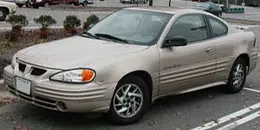
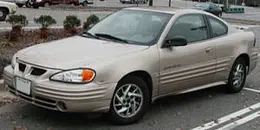
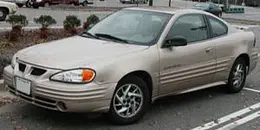
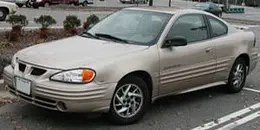
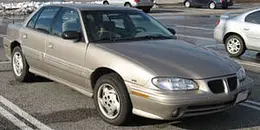
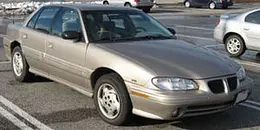
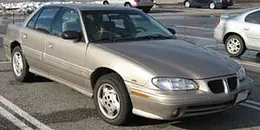
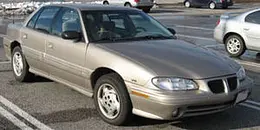
1995 Pontiac Grand Am
Intake Manifold Gasket May Leak Coolant or Engine Oil
The intake manifold gasket may develop and external engine oil or coolant leak. In some cases, an internal coolant leak may occur causing coolant to mix with the engine oil. Our technicians tell us that operating the engine with a coolant/oil mix can result in internal engine damage. Replacing the intake manifold gasket should correct these leaks.
Coolant Leak From Heater Core
The heater core under the right side of the dashboard may leak engine coolant which can puddle on the passenger front floor. The loss of coolant may cause an engine overheating condition. Our technicians tell us that removal of the dash board is necessary to replace the heater on these vehicles.
Coolant Leak & Engine Overheating
A coolant leak may develop from the water pump. The engine may overheat as a result of the coolant loss. A leaking water pump should be replaced.
Poor Ride/Handling Due to Worn Suspension Struts
The front struts may show signs of wear, or be excessively bouncy ride at freeway speeds. This may begin to occur at around 75,000 miles.
Corrosion At Ignition Coil Towers
Corrosion may develop at the connection between the ignition coil tower and spark plug wire resulting in an engine misfire. The Ignition coil and spark plug wire should both be replaced to correct this condition.
Power Window Not Working Due to Window Motor
A door window may move slowly or stop in mid travel due to a failing power window motor. The affected window may start working again after the motor cools off. Replacing the faulty window motor will commonly correct this concern.
Oil Pump Drive O-ring May Leak Oil From Rear of Engine
An engine oil leak may develop from the rear of the engine. This is commonly caused by a failed oil pump drive o-ring seal. The leaking o-ring should be replaced to correct this concern.
Engine misfire due to ignition coil housing failure
Key Stuck in Ignition Lock Cylinder
The automatic transmission shifter may fail causing the ignition key to become stuck in the ignition lock cylinder.
ABS light due to weak battery or burned out bulb
A weak battery or a burned out brake light bulb may cause the ABS light to illuminate.
Transmission Fluid Leak From Cooler Line
The rubber section of an automatic transmission cooler line may develop a fluid leak . In some cases the leaking section of hose can be replaced. In others, the complete cooler line must be replaced to correct this concern.
Failure of Instrument Panel Lighting Due to Faulty Panel Dimmer Module
The instrument panel and switch backlighting may fail due to a faulty dimmer control module. A failed module will require replacement.
Rough Running Engine Due to Vacuum Leak
The engine vacuum hose to the MAP sensor may crack resulting in a vacuum leak causing the engine to run rough and/or stall.
The Fuel Pump May Fail Causing the Engine to Stall or Crank Over But Not Start
The fuel pump may fail causing the engine to stall and not restart. Our technicians recommend replacing the fuel filter every 30,000 miles to help prevent undue strain on the fuel pump.
Timing Chain Tensioner/Guides May Wear and Cause Noise
The timing chain tensioner and guides are prone to wear and may develop an abnormal noise, requiring replacement.
High Pressure Power Steering Hose Can Leak Fluid
The high pressure power steering hose will commonly leak fluid; it should be replaced.
The Engine May Stall After Extended Freeway Driving
The torque converter clutch can stick "on" after extended freeway driving causing the engine to stall when coming to a stop. Our technicians tell us when this occurs, the engine usually will restart and stall when put into gear. After allowing about twenty minutes for the engine and transmission to cool down, the engine will start and the transmission will operate normally. Replacing the torque converter clutch solenoid, transmission filter, and fluid will generally correct this issue.
Engine Overheating Due to Head Gasket Failure
The 2.3L 4 cylinder engine can be prone to head gasket failure. This can result in coolant loss and engine overheating.
Rich-running engine due to oxygen sensor failure
The oxygen (O2) sensor may fail causing the engine to burn to much fuel and may cause the check engine (SES) light to illuminate.