Problem Reports
Problem with your car? See what our experts say or submit your own.
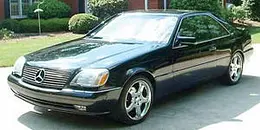
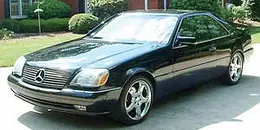
1998 Mercedes-Benz CL600 Problems
Cracked Driveshaft Flex Discs May Cause Driveshaft Movement/Vibration
A vibration felt through the center floor of the vehicle can be caused by cracked and/or shredded driveshaft flex discs, resulting in excessive driveshaft movement. If not repaired, damage to the driveshaft center support bearing, transmission, or differential can occur.
ABS Modulator Failure Due to Dirty Brake Fluid
The anti-lock brake system (ABS) modulator assembly may fail due to dirty brake fluid. Our technicians recommend a complete brake system flush every two years in order to help prevent this problem.
The Differential May Develop Leaks From the Seals or Cover
Leaks may develop from the differential cover and/or seals on high mileage or older vehicles. Our technicians recommend a complete reseal of the differential unit if these leaks are addressed.
Squeaking/Worn Brake Pads May Require Rotor Replacement Also
Due to the size and material used on the brakes of these vehicles, the brakes may start to squeak around the 50 percent wear point. The brake rotor surfaces become uneven, causing a lip to form at the outer edge of the rotor. Because of this, the rotors are usually replaced when the pads are worn (pad life varies depending on driving style and terrain).
Transmission May Leak Fluid and Damage Control Module
The electrical connector at the automatic transmission may leak fluid. Over time leaking fluid could migrate through the wiring harness and damage the transmission control module. If that happens a new harness and control module may be necessary to correct the problem.
Tandem Hydraulic Pumps May Leak From Either Section
Some models have tandem hydraulic pumps—one section for power steering and the other for suspension adjustment. These pumps are prone to leakage from either section.
Erratic Engine Operation and Poor Fuel Economy Due to Faulty Mass Air Flow Sensor
A faulty mass air flow (MAF) sensor can cause erratic/rough engine operation and fuel economy issues. Since this sensor measures the actual amount of air entering the motor, when it fails, the engine control module (ECM) takes the wrong information and delivers incorrect volumes of fuel to the cylinders.
Poor AC Performance Due to Refrigerant Loss
A refrigerant leak may develop from one or more of the following AC components: AC compressor, hose manifold for the compressor, or the evaporator core. The loss of refrigerant can cause poor AC performance. Our technicians tell us that proper leak diagnoses should be performed in order to determine the cause of any refrigerant loss.
Electrical Issues Due to Degraded Engine Wiring Harness
The engine wiring can degrade because the insulating material falls off leaving the bare wire exposed. This can cause many problems depending on which wires are exposed and what they touch.
Engine Oil and Coolant Leaks Resulting in Fulid Intermix
Internal and External engine oil & coolant leaks can develop from the head gasket and/or timing cover gasket; these leaks should be repaired before the engine oil and coolant intermix which can result in severe engine damage.
Glove box hinges, center console arm rest, and cup holders may break
Harsh Ride From Rear Due to Failed Dampening Actuator
Vehicles with automatic level control that ride harshly in the rear (no give in the suspension) may have one or both dampening actuators which have failed. It is commonly recommended the actuators be replaced in pairs.
Throttle Valves May Experience Electrical Failure
The electronic throttle assembly may suffer an electrical failure. It is often cheaper to send the valve to a service center for repair that to purchase a new part.
Excess Free Play in Steering and/or Alignment Issue
One or more of the following steering linkage components may wear prematurely; tie rod ends, drag link, or idler arm. Our technicians remind us the wheel alignment should be checked and adjusted if any of these items are replaced.
High Usage Vehicles May Experience Ignition Lock and Tumbler Failures
Due to wear, high usage vehicles can experience ignition lock and tumbler failures. The ignition lock cylinder will generally require replacement to correct this concern.